Small Solar Panels: Sizes, Wattage, and Best Uses in 2026
Small solar panels mean different things to different people. This guide sorts them by real wattage and size, not marketing labels, so you know exactly which one fits your need.
Definition: A small solar panel is any solar panel under roughly 200 watts, built for portable, backup, or space-limited power needs — such as charging devices, running a mini-fridge, or powering an RV — rather than replacing a full home electrical system.
What Is a Small Solar Panel?
A small solar panel is any panel roughly 5 to 200 watts, sized for portable charging, camping, security cameras, or partial power backup rather than whole-home electricity.
A prepper wants a foldable panel that fits in a backpack. A homeowner with a small roof wants to know if a smaller system still covers real usage. An RV owner wants enough watts to run a fridge without adding heavy glass panels to the roof. Each of these is really asking about a different wattage range — here’s the full breakdown:
| Wattage Range | Physical Size (approx.) | Typical Use |
|---|---|---|
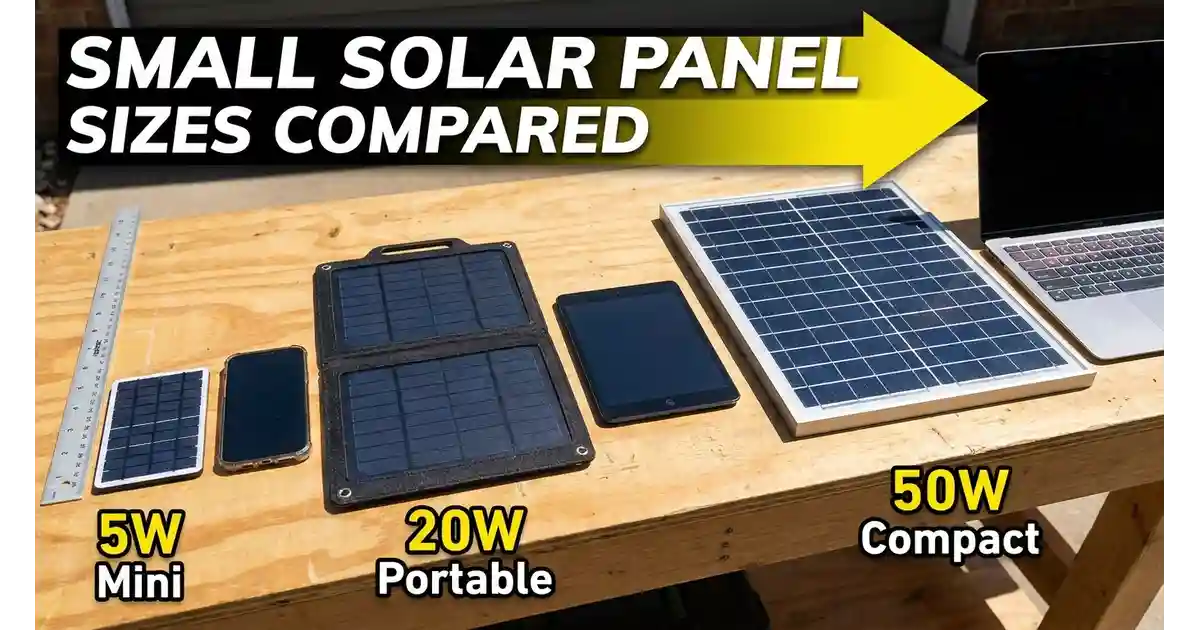
| 5–20W | Notebook to briefcase-sized | Solar garden lights, small electronics, trickle charging |
| 50–100W | ~2×3 ft | Camping, small solar kits, battery maintenance |
| 100–200W | ~3.5×5.5 ft | RV and Airstream panels, off-grid basics |
| 200–400W | Standard residential panel | Small home panels, partial roof offset |
| 5kW system (10–14 panels) | Full array, not one panel | Whole-home small solar power system |
Good to know: A “5kW solar panel” isn’t one panel — it’s a system size (5,000 watts total), usually built from 10–14 panels around 350–400W each. If you searched for a single 5kW panel, that product doesn’t exist. What you want is a 5kW system, covered further down.
Small Solar Panels by Wattage
Small solar power panels split into four practical tiers — 5–20W, 100W, 200W, and 5kW systems — each matched to a different job, from trickle charging to partial home offset.
5–20 Watt Panels
This is the true “small solar panel” category — palm-sized to briefcase-sized units for trickle-charging batteries, running garden lights, or powering small sensors and cameras. They typically produce under 1.5 amps in direct sun and can’t run anything beyond very low-draw electronics.
100 Watt Panels
The most popular size for small solar panel kits. A single 100W panel produces roughly 5–6 amps at peak sun, though actual amperage depends on panel voltage — 12V panels run higher amperage than 24V or 48V panels at the same wattage. These panels are the backbone of most portable kits, RV setups, and small panel-with-battery combos sold for off-grid camping.
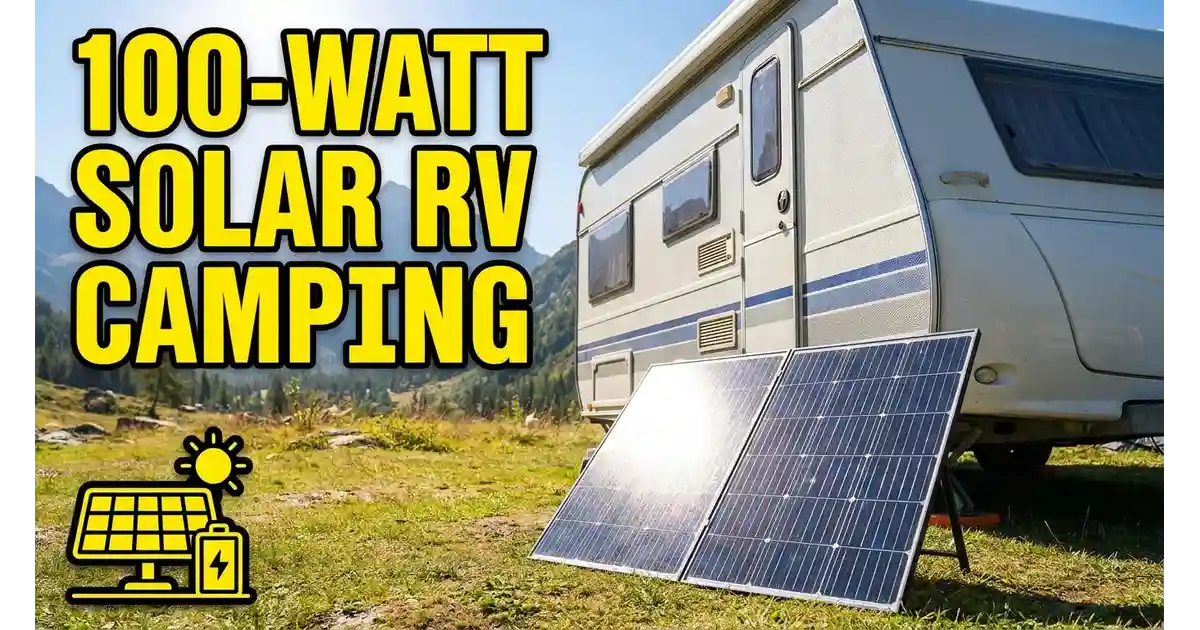
Can a 100W solar panel run a TV? Yes, for a limited time. A 100W panel makes roughly 400–500 watt-hours on a sunny day. A standard LED TV draws 30–100 watts, so a 100W panel with a small battery can run a TV for several hours a day — but not continuously or alongside a fridge without extra panels or battery capacity.
200 Watt Panels
A 200-watt panel roughly doubles the output of a 100W unit — around 10–12 amps at peak sun. This is the sweet spot for small systems that need to run a mini-fridge, laptop, CPAP machine, or several devices at once. Common in tiny homes and Airstream installs where roof space is limited but power needs go beyond basic camping.
5kW Solar Systems
A 5kW array (10–14 panels) can offset a real portion of an average U.S. household’s power use. It’s often the starting point for small solar panels for home use, when roof space, budget, or partial-offset goals rule out a full-size system.
Solar Cells and Panel Materials: Monocrystalline vs. Polycrystalline
Two things decide how a small panel performs beyond its watt rating: how many cells it has, and what the cells are made of.
How Many Cells Are in a Small Solar Panel?
Standard home panels usually have 60 or 72 cells laid out in a grid. Small portable panels are built differently — most use around 32 to 40 cells, which keeps them lighter and smaller, but also caps how much power they can make compared to a full-size roof panel.
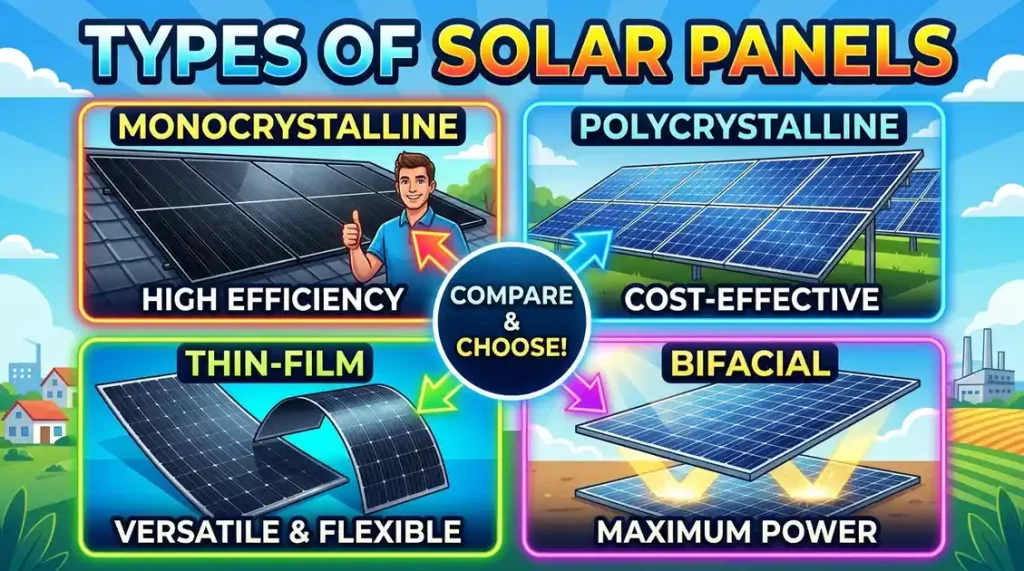
Monocrystalline vs. Polycrystalline: Which Is Better for Small Panels?
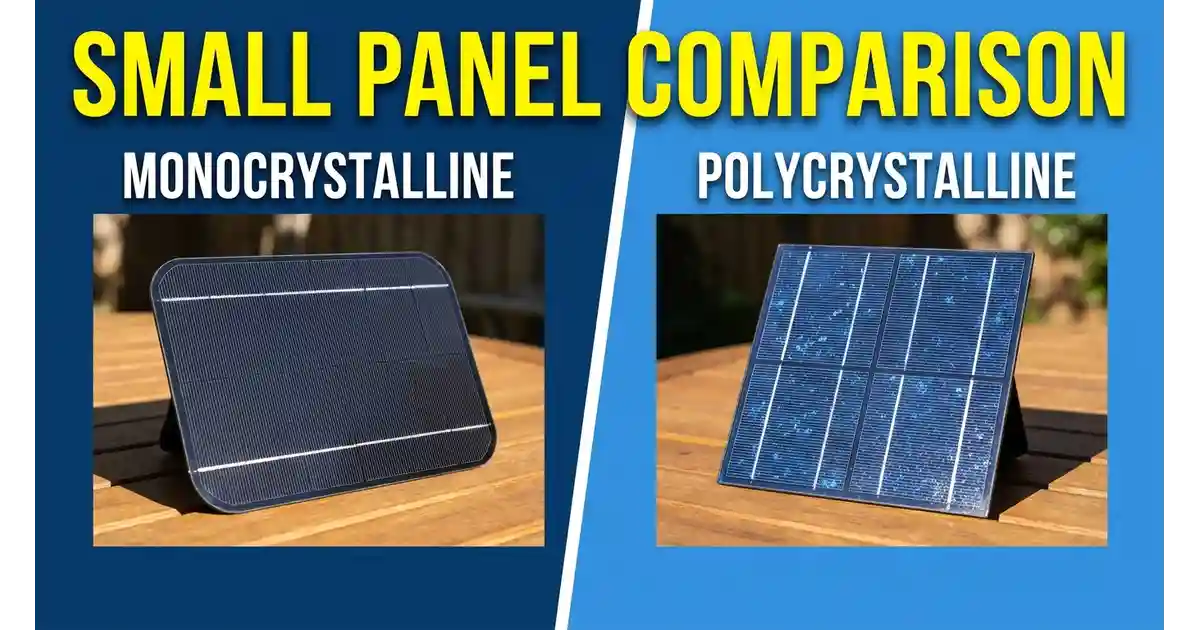
Monocrystalline
Made from a single, pure silicon crystal. Higher efficiency (often 20–25%), darker black color, and better performance in low light or tight roof space. Most small portable panels use this type.
Polycrystalline
Made from several silicon fragments melted together. Slightly lower efficiency (15–18%), a bit cheaper, and has a blue, speckled look. More common in budget kits and DIY hobby panels.
For anything portable or space-limited — a backpack, an RV roof, a security camera — monocrystalline solar panels are usually the better pick because they produce more power in a smaller area. For the full breakdown of every panel type, see our guide to types of solar panels.
Small Solar Power Panel Kits and Battery Combos
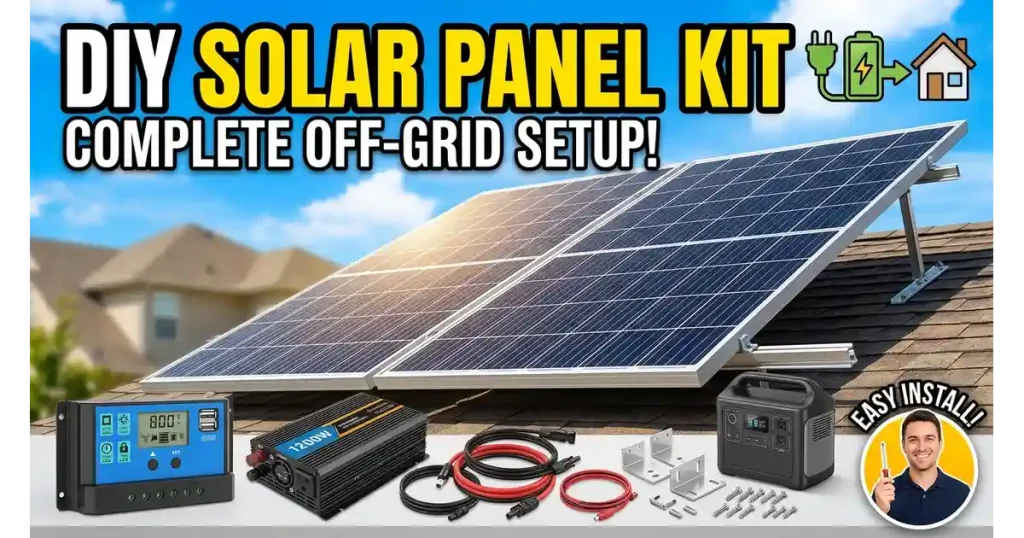
A small solar panel kit bundles a panel, charge controller, and cabling — sometimes a battery — so you don’t have to match components yourself.
A small solar panel with battery included is the simplest entry point for anyone new to solar, since it removes the guesswork of matching panel output to battery capacity. These kits range from 20W camping setups to 200W+ kits for cabins, sheds, or backup power. See our full solar panel kit guide for what’s typically included and how to compare listings fairly.
When comparing kits, check three things:
- Panel wattage vs. your actual daily power draw. Bigger isn’t always better if you don’t need it.
- Battery capacity (amp-hours). Undersized batteries are the most common reason small systems disappoint.
- Charge controller type. PWM is cheaper; MPPT is more efficient and worth the extra cost on anything above 100W.
How Many Watts Do I Actually Need?
Divide your target system size (in watts) by the wattage of a single panel to get the panel count you need.
Number of panels = System size (in watts) ÷ Watts per panel.
Example: a 400-watt goal ÷ a 100-watt panel = 4 panels.
To find your system size goal, add up the watt-hours of what you want to run per day (check the label on your fridge, laptop charger, or CPAP), then match that against how many sun-hours your location gets. Our solar panel calculator can run these numbers for your specific setup, but the formula above gets you in the right ballpark fast.
Small Solar Panels for Specific Uses
Solar Garden and Outdoor Lights
These use tiny 1–5W panels built directly into the fixture. They’re the smallest practical solar product on the market and need no separate wiring or battery setup — everything is self-contained.
Solar Panels for Security Cameras
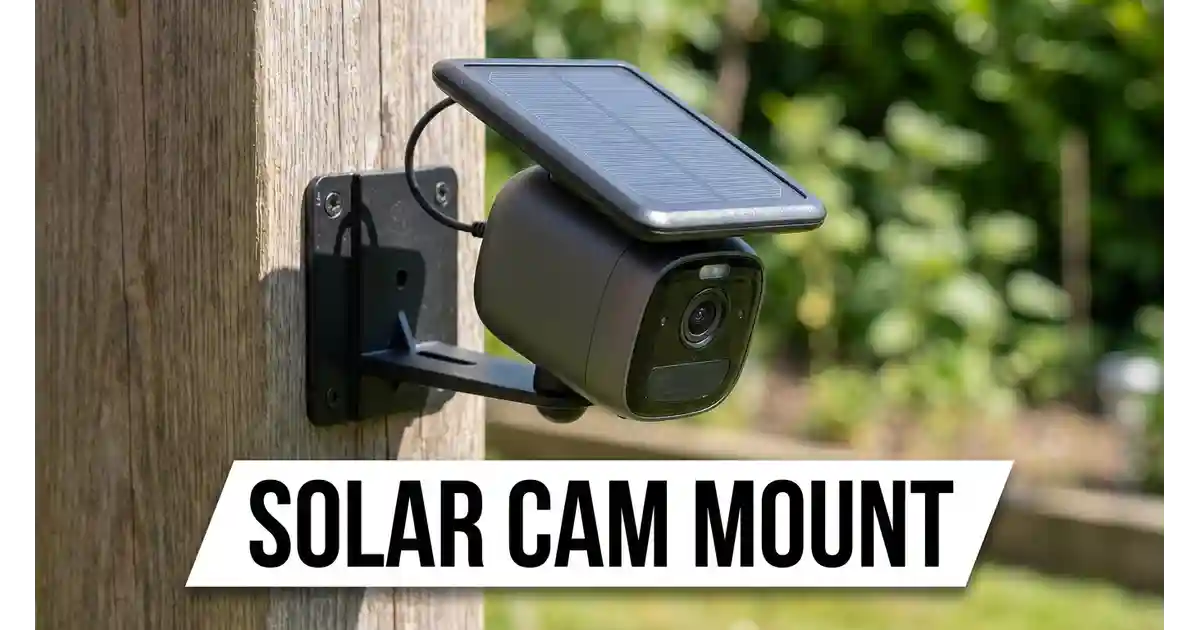
Small 5–10W panels are now sold specifically to keep battery-powered security cameras (like Ring, Arlo, and Nest) charged without ever plugging them in. These panels mount near the camera, run one small cable, and keep the internal battery topped off using just a few hours of daily sun — no separate battery pack needed.
Airstream and RV Solar Panels
Space and weight are the real constraints here, not just wattage. Most RV solar panel and Airstream owners run 100–200W flexible or low-profile rigid panels, sometimes paired in twos or threes to reach 300–400W total without overloading the roof’s weight limit.
Small Solar Panels for Home: How Many Do You Need?
Homeowners with limited roof space, partial shading, or a smaller budget often start with a handful of 300–400W residential-grade panels rather than a full-roof array — enough to meaningfully cut a power bill without the upfront cost of a full system. See our full home solar panel guide for sizing a complete rooftop system.
DIY and Hobby Panels
Very small panels (1–10W) are also sold for science projects, model cars, and other DIY builds. These are true solar cells more than complete panel products, and they’re not meant to power anything beyond a small motor or LED.
Solar Panel for a Small House
A small house or tiny home typically needs a 2–5kW system (6–14 panels), far less than the 8–10kW an average U.S. home requires, because there’s simply less roof and less load to cover.
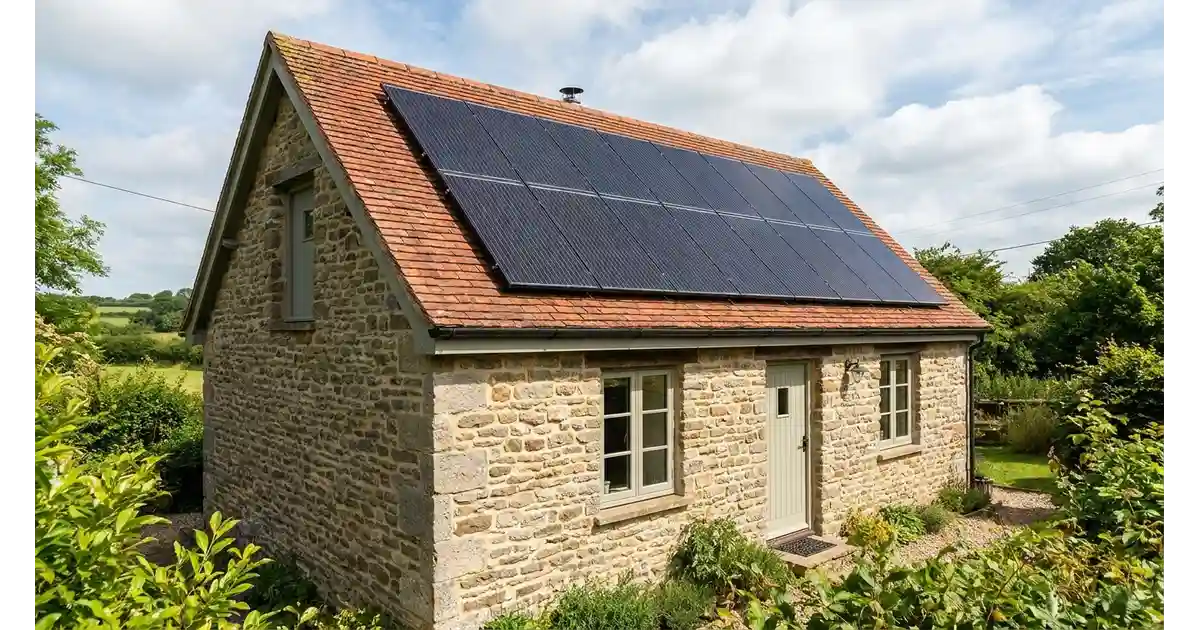
Example: a 400-square-foot tiny home running LED lighting, a small fridge, a laptop, and a water pump can often get by on a 2kW array (about 6 panels) paired with a modest battery bank — a fraction of the panel count a standard suburban home would need for the same rough coverage percentage.
The main constraint for a small house is usually available roof surface, not budget — which is why flexible or low-profile 100–200W panels are common on tiny homes built on trailers, where every square foot of usable roof counts.
Are Small Solar Panels Waterproof?
Most portable and outdoor-rated small panels carry an IP65, IP67, or IP68 waterproof rating, meaning they handle rain, splashes, or brief submersion depending on the number.
Panels built into garden lights or security cameras are usually IP65 or higher since they stay outside year-round. Cheaper DIY panels often skip a waterproof rating entirely, so check the spec sheet before leaving one outdoors long-term.
Small Solar Panel vs Full Residential System
A small solar panel setup costs less and installs faster, but a full residential system covers far more of a home’s total power use and typically qualifies for larger tax incentives.
| Factor | Small Solar Panel (5–200W) | Full Residential System (6–10kW) |
|---|---|---|
| Typical cost | $20–$400 | $15,000–$25,000+ before incentives |
| Install complexity | DIY-friendly, no permits usually needed | Licensed installer, permits, utility interconnection |
| Coverage | Specific devices or small loads | Most or all of a home’s electricity use |
| Battery need | Optional, small capacity | Often included for backup, larger capacity |
| Best for | Camping, cameras, sheds, partial backup | Homeowners replacing most of their utility bill |
Frequently Asked Questions
Are small solar panels worth it?
What is the smallest solar panel you can get?
Can a 100W solar panel run a TV?
Can you use small solar panels for home use?
Are small solar panels compatible with power banks and USB devices?
Choosing the Right Small Solar Panel
There’s no single “best” small solar panel — it depends on the job:
- Charging phones, lamps, small sensors: 5–20W panels
- Camping, off-grid basics, small kits: 100W panels
- Running a fridge, CPAP, or multiple devices off-grid: 200W panels
- Keeping a security camera charged: 5–10W dedicated mounts
- Partial home offset without a full system: Small residential arrays under 5kW
- Weight-sensitive RV/Airstream roofs: Flexible or low-profile 100–200W panels
Matching wattage to your actual daily power draw — not just picking the biggest panel that fits — is what separates a small solar setup that works from one that leaves you disappointed by day three.
This guide is for general information. For sizing a whole-home or off-grid system, confirm final numbers with a licensed solar installer.