
Solar Installers Near Me: How to Find and Vet the Best Local Company (2026)
A search for solar installers near me returns dozens of names in seconds. Picking the right one is the hard part. Here’s exactly what to check, what to ask, and which red flags mean you should keep looking.
Key Takeaways
- Get 2–3 quotes. Comparing quotes from local solar installers near you is the single best way to gauge fair pricing.
- Verify licensing and NABCEP certification before anything else — this is non-negotiable, no matter how good the sales pitch sounds.
- Compare cost per watt ($/W), not just the total price, since it’s the most reliable way to compare quotes across different system sizes.
- Check your roof’s age first. If it’s over 15 years old, plan on reroofing before or during installation.
- A local installer usually knows your area’s permitting process, climate, and utility rules better than a national call-center company.
What to Expect When You Search for Solar Installers Near Me
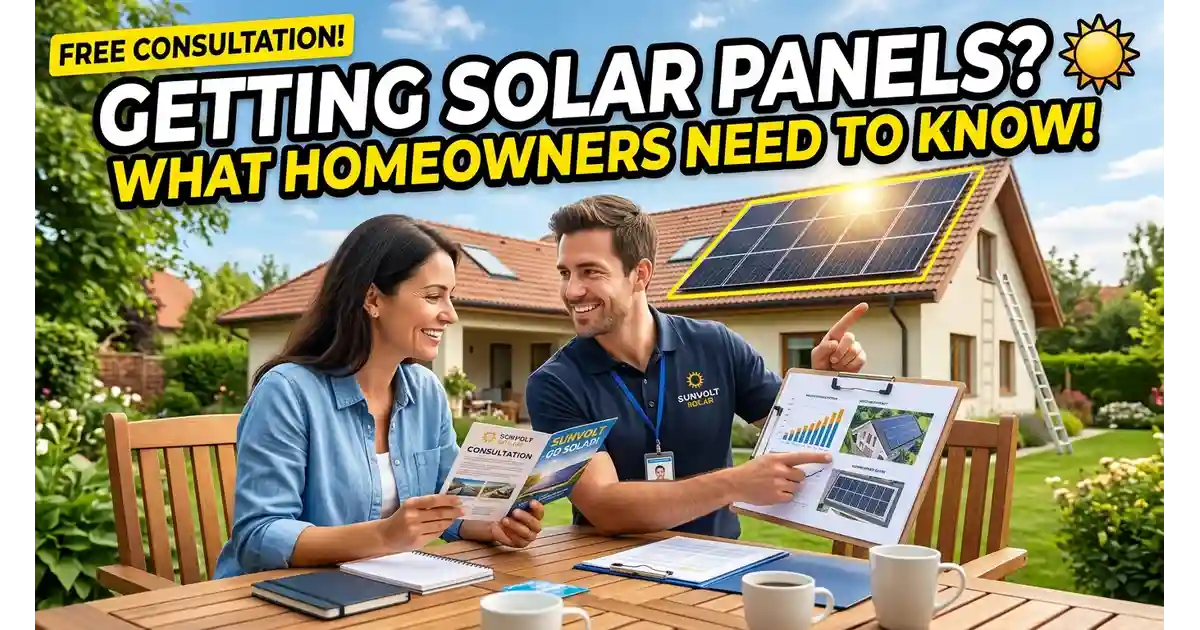
A search for solar installers near me returns dozens of options in seconds; comparing them properly is the real work. Pricing, licensing, and installation quality vary widely, and the wrong pick can mean voided warranties or a system that never gets approved.
Finding solar installers near me is the easy part — a quick search returns dozens of solar panel companies in almost any U.S. market. There are more than 10,000 solar installers operating in the U.S. today, with over a thousand in California alone. Choosing the right one is where most homeowners get stuck. Pricing, warranties, licensing, and installation quality vary widely between local solar installers, and the wrong choice can mean years of underperformance, voided warranties, or a system that never gets properly connected to your utility.
This guide covers exactly what to expect when working with a solar installer, how to evaluate solar installers near you, and the questions that separate a reputable company from one to avoid. For a broader look at the industry itself, see our full breakdown of solar installation companies and how to compare them nationally.
The Solar Panel Installation Near Me Process, Step by Step
The process runs consultation, site visit, quote and design, contract and permits, installation, then inspection and utility interconnection — usually with no pressure to sign on day one.
Whether you search “solar installers near me” or get referrals from neighbors, the process with any legitimate installer follows a similar path:

- Initial consultation — a phone or in-person conversation about your energy usage, roof type, and budget.
- Site assessment — a technician visits your property to evaluate roof condition, shading, orientation, and your electrical panel’s capacity.
- Custom quote and system design — a proposed system size, equipment brand, estimated production, and pricing. See our solar panel calculator to sanity-check the numbers yourself.
- Contract and permitting — once you approve a quote, the installer handles permit applications with your city or county and, if applicable, your HOA.
- Installation — usually completed in one to three days for a residential system. Learn more about what actually happens on solar panel installation day.
- Inspection and utility interconnection — a local inspector and your utility company both sign off before the system is activated.
A reputable installer will walk you through each of these stages clearly and won’t pressure you to sign a contract on the first visit.
How to Choose the Best Solar Panel Installers Near Me
Verify licensing and NABCEP certification, check local experience, read reviews carefully, compare warranties, and get multiple quotes before deciding.
With so many solar installers competing for the same customers, a few criteria separate the reliable ones from the rest.
1. Verify Licensing and Certification for Your Solar Installer
Every state requires solar contractors to hold an electrical or contractor’s license. Beyond state licensing, look for North American Board of Certified Energy Practitioners (NABCEP) certification — widely considered the industry’s leading credential for solar installers in the U.S.
2. Check the Experience of Your Solar Installer Near Me
An installer with several years of local experience will be more familiar with your specific city or county’s permitting process, utility interconnection requirements, and common roof types in your area. Most experts recommend a company with at least 3–5 years in business, since you’ll need support for the 25+ years your system is expected to last.
3. Read reviews with a critical eye
Look past star ratings alone and read what customers say about post-installation support, response time for issues, and whether the system performed as promised. You can check a company’s formal complaint history directly through the Better Business Bureau. A pattern of complaints about unresponsiveness after the sale is a bigger red flag than a single negative review.
4. Compare warranties, not just price
The cheapest quote isn’t always the best value. Compare equipment warranties (typically 10–25 years on panels — see our guide to types of solar panels and their coverage), workmanship warranties (usually 5–10 years, covering the installer’s labor), and inverter warranties separately, since these often come from different manufacturers with different terms.
5. Get multiple quotes
Getting quotes from two or three installers is the single most effective way to gauge fair pricing in your market, since system cost varies by roof complexity, equipment brand, and local labor rates. Our guide to what it costs to install solar panels breaks down typical price ranges by system size.
6. Ask about in-house crew vs. subcontractors
Some of the best solar companies near you use their own trained installation crews, while others subcontract the physical work to third parties. Neither approach is automatically better, but knowing which model an installer uses helps you understand who’s accountable if something goes wrong. Installers who keep the crew in-house often take more pride in the finished work, since they answer directly for it.
Local vs. National Solar Power Installers Near Me: Which Is Better?
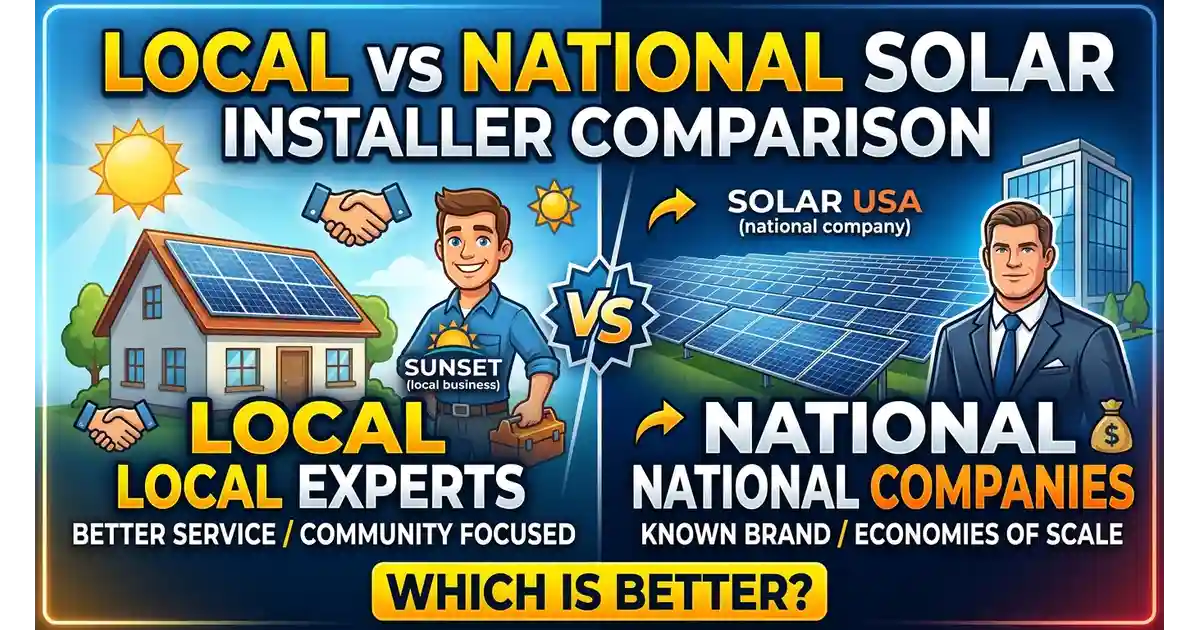
Local installers usually know your permitting process and climate better; national companies often bring broader financing and equipment options.
Both models can work well, but they trade off different strengths:
| Factor | Local Installer | National Company |
|---|---|---|
| Permitting knowledge | Usually strong — knows your city/county process | Varies by branch and region |
| Response time for repairs | Often faster, closer physical presence | May route through a call center |
| Pricing | Can be more competitive, lower overhead | Often has more financing options |
| Equipment selection | May be more limited | Often broader brand selection |
| Longevity risk | Verify years in business directly | Larger balance sheet, but local branch could still close |
Local solar installers near you also tend to understand your area’s weather patterns, roof types, and utility rules better than a company managing installs across many states. In a state like California, where net metering rules vary by utility, that local familiarity can matter even more. That local knowledge, plus keeping the money in your community, is why many homeowners lean local — as long as the company passes the same licensing and review checks either way.
Is Your Roof Ready? What Solar Panels Installers Near Me Check First
If your roof is over 15 years old, plan on reroofing first — removing panels later to fix a roof adds significant extra cost.
Most solar equipment lasts at least 25 years, so your roof needs to hold up for that long too. A few things to confirm before you call an installer:
- If your roof is older than 15 years, plan on reroofing before or during the solar installation, since removing panels later to fix a roof adds significant extra cost
- Ask whether the installer recommends roof repair first — their answer tells you a lot about how carefully they evaluate roofs, not just panels
- Consider an installer with in-house roofing experience if your roof needs work, since it can mean more competitive combined pricing
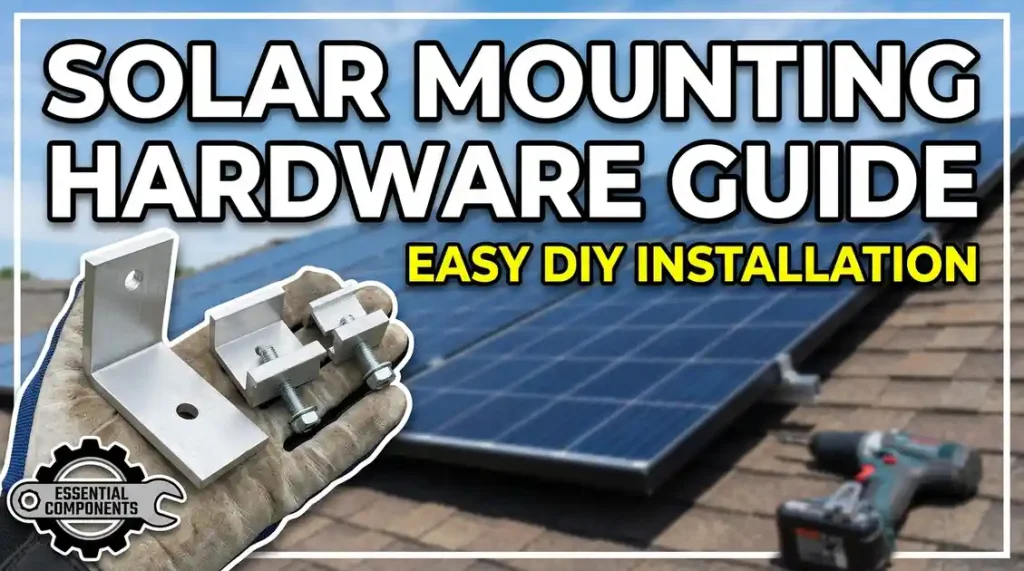
- Decide between roof-mounted and ground-mounted installation if you have the yard space — not every installer offers both, and mounting method affects the mounting hardware your installer will quote
How to Sanity-Check a Solar Installation Near Me Quote
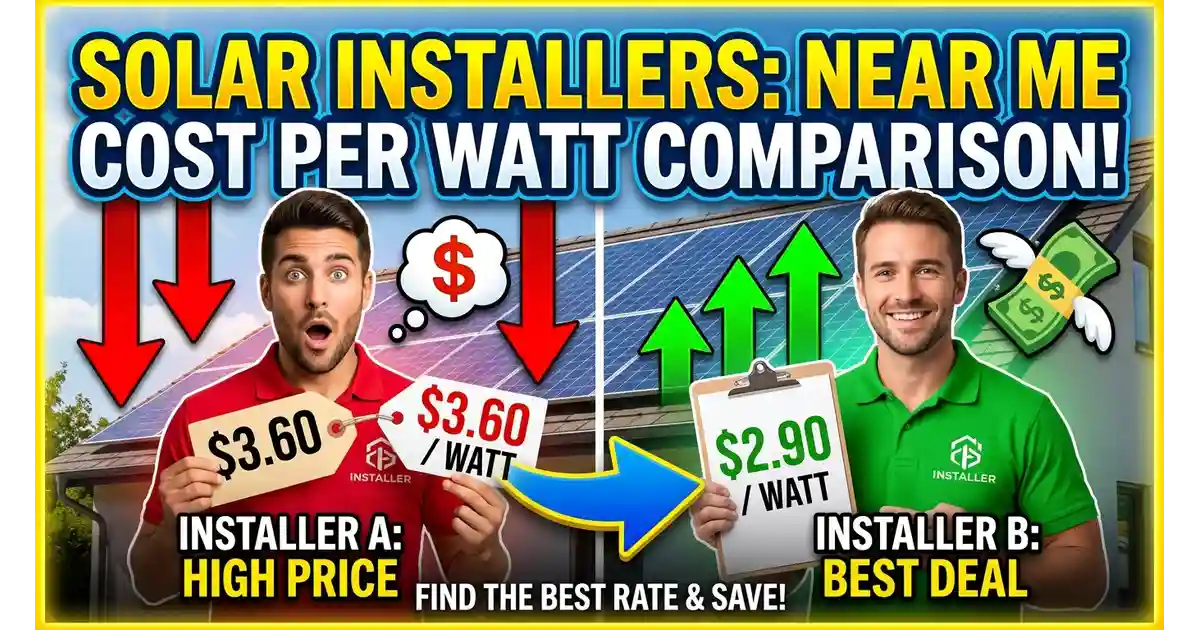
Compare cost per watt across quotes, cross-check estimated production with an independent tool, and be wary of any bid priced far below the rest.
Once you have quotes in hand, a couple of independent checks help confirm you’re being treated fairly:
- Compare cost per watt ($/W) across quotes, not just the total price — this accounts for differences in system size between installers
- Cross-check estimated production against a free, independent tool like NREL’s Pv Watts Calculator, which estimates output for your specific address
- Be cautious of any quote priced far below the others with no clear explanation, since equipment quality or labor practices are the most likely reason
Do You Qualify for Financing With Solar System Installers Near Me?
Cash, loans, leases, and PPAs each affect ownership and eligibility differently — ask any installer which options they actually offer.
How you plan to pay affects which installers and programs are even available to you:
- Cash purchase — available with most solar companies, full ownership
- Solar loan — typically requires a credit score above roughly 660 FICO to qualify for most solar loan programs
- Solar lease — lower upfront cost, but you don’t own the system
- Power Purchase Agreement (PPA) — you pay for the electricity produced, not the equipment itself
Ask about available purchasing options during your initial inquiry, and expect an honest installer to guide you toward the option that actually fits your finances rather than pushing the one with the highest commission. If you’re weighing whether to buy at all, our guide on whether solar panels are worth it walks through the real payback math.
Questions to Ask Solar Energy Installers Near Me Before Signing
- How long have you been installing solar panels in this area?
- Are you licensed and insured, and can I see proof?
- Is your crew in-house or subcontracted?
- What’s included in the workmanship warranty, and for how long?
- Who handles permitting and utility interconnection — you or me?
- What happens if the system underperforms its estimated production?
- Can you provide references from customers with a similar roof type?
A trustworthy installer answers these directly and without hesitation. Vague or evasive answers — especially around licensing or warranty terms — are a reason to keep shopping.
Red Flags to Watch for With Solar Installation Companies Near Me
High-pressure tactics, no license proof, no local address, unitemized quotes, and unexplained lowball pricing are the clearest warning signs.
- High-pressure sales tactics or “today only” pricing
- Reluctance to provide license numbers or insurance proof
- No physical local address or verifiable local project history
- Quotes with no breakdown of equipment, labor, and permitting costs
- Unusually low prices with no explanation for how they undercut competitors
For a longer list of company-level warning signs beyond individual quotes, see our full rundown of solar installation companies to avoid.
Residential vs. Commercial Solar Panel Installation Companies Near Me
Not every installer handles both. Commercial work involves three-phase power, larger-scale systems, and more extensive engineering review.
Not every solar installer handles both residential and commercial work. Commercial solar panel installers typically have experience with larger-scale electrical systems, three-phase power, and the more extensive permitting and engineering review that larger projects require — see our dedicated section on commercial solar installation companies for what to check. If you’re a business owner rather than a homeowner, ask specifically about the installer’s commercial project portfolio rather than assuming residential experience transfers directly.
It’s also worth noting that consistent solar installer job postings from a company can be a small but useful signal — installers actively and consistently hiring trained, certified staff, rather than relying heavily on short-term subcontractors, often have more stability and capacity to support customers after installation.
When You Need More Than an Installer
Contract disputes, liens, or fraud need a solar-focused attorney, not an installer — a separate track from choosing who builds your system.
Occasionally, a homeowner’s issue with a solar company goes beyond installation quality — into contract disputes, liens, or fraud. In these cases, a solar installer isn’t the right resource; a solar panel attorney who handles renewable energy contracts is. This is a separate track from choosing an installer and typically only becomes relevant if a project has already gone wrong.
Frequently Asked Questions
How do I find reliable solar installers near me?
Start with licensing verification, NABCEP certification, and local reviews, then get two to three quotes to compare pricing, equipment, and warranty terms before choosing.
What’s the difference between solar panel companies and individual installers?
Larger solar companies often manage sales, financing, and installation under one roof and may subcontract labor, while smaller local installers frequently handle the entire process with their own crew. Both can be reliable — the key factors are licensing, reviews, and warranty terms rather than company size alone.
How many quotes should I get before choosing an installer?
Most experts recommend two to three quotes, since pricing and proposed system design can vary meaningfully between installers even for the same roof.
Do solar installers handle permits and inspections?
Yes — reputable installers typically manage permit applications, schedule inspections, and coordinate utility interconnection as part of their service.
What credit score do I need to finance solar panels?
Most solar loan programs require a credit score above roughly 660 FICO to qualify, though cash purchases and some leases have different requirements.
Should I reroof before installing solar panels?
If your roof is older than about 15 years, most honest installers will recommend reroofing first, since solar equipment is expected to last 25 or more years and removing panels later to fix a roof adds significant cost.
What if my solar panels need repair, not a new installation?
That’s a different service than installation — look specifically for a solar panel repair technician, since not all installers offer ongoing solar panel maintenance and repair service.
How do I find the best solar installation companies near me?
Shortlist companies with a valid state license, at least one NABCEP-certified installer, a 10+ year workmanship warranty, and 50+ recent reviews averaging 4 stars or higher, then compare their quotes side by side.