Solar Sizing Guide · Updated for 2026
400 Watt Solar Panel: Complete 2026 Guide to Output, Size, Cost, and What It Can Run
A 400 watt solar panel is a popular solar panel size for U.S. homes, RVs, cabins, and small off-grid systems. It can produce about 1.2–3 kWh of electricity per day depending on sunlight and system conditions. A typical panel measures about 6.25 × 3.75 feet, weighs 40–50 pounds, and costs roughly $140–$560 for the panel alone. Most U.S. homes need about 15–25 400W panels for a full solar system.
If you are trying to figure out what size solar panel is right for you, from 320W all the way up to 1500W, this guide walks through all of it in plain, simple language: real power output, exact size, honest cost, what it can actually run, and how many you would need. For a broader look at panel technology, our guide to types of solar panels covers monocrystalline, polycrystalline, bifacial, and portable formats side by side.
What’s in this guide
- What is a 400 watt solar panel, exactly?
- How much power does a 400 watt solar panel produce?
- What can a 400-watt solar panel actually run?
- How big is a 400 watt solar panel?
- What is a 400-watt solar panel good for?
- How much do 400-watt solar panels cost?
- How many batteries do I need for 400 watts of solar?
- How many 400W panels do I need for my whole house?
- Wattage comparison: 320W to 1500W solar panels
- Real panel spotlight: HQST, Hyperion, JA Solar, SEG Solar & EcoFlow
- Can I use 435W solar panels on my RV?
- Does a higher-wattage solar panel always produce more electricity?
- Sizing and installation tips
- Frequently asked questions
1. What Is a 400 Watt Solar Panel, Exactly?
Short answer: A 400 watt solar panel is rated to produce 400 watts under lab-standard test conditions (STC) — full sun, no clouds, and a cool 77°F panel temperature — not a guarantee of daily output.
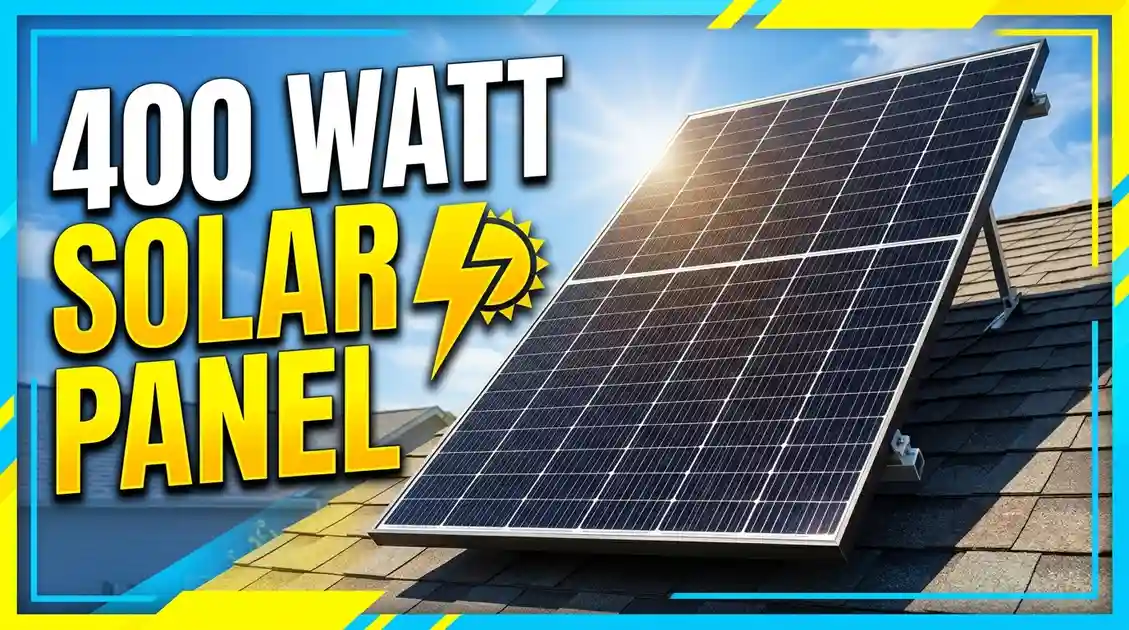
In simple terms, a 400W solar panel is a single solar module with a maximum rated power output of 400 watts under standard test conditions. The terms 400 watt solar panel and 400W solar panel generally refer to the same panel size.
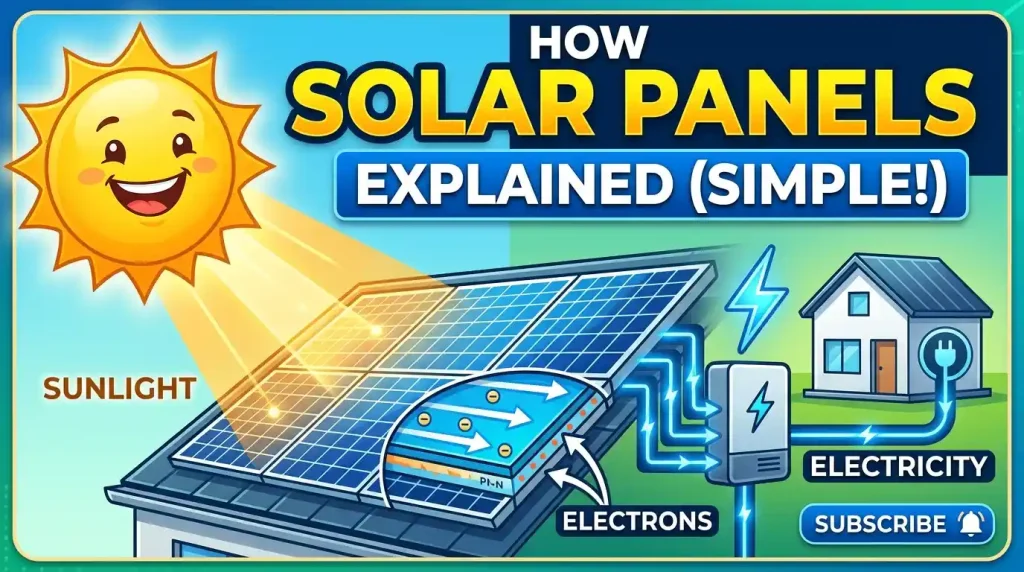
It’s the same idea as a car’s rated miles-per-gallon sticker, a controlled number used so shoppers can compare panels fairly, not a guarantee of what you’ll get every single day. For a deeper look at the physics behind that number, see our guide to how solar panels work.
Most 400 watt solar panels contain 60 to 66 full-size solar cells, or up to 108 smaller half-cut cells in newer designs, wired together and sealed under glass with an aluminum frame. Panel efficiency (how much sunlight actually converts to electricity) usually falls between 18% and 22%, with premium models reaching a bit higher. Most modern 400W panels use monocrystalline solar cells rather than older polycrystalline technology, since monocrystalline reaches higher efficiency in the same physical footprint.
What Does 400 Watts Mean?
A 400-watt rating means the solar panel can produce up to 400 watts of power under standard test conditions. It does not mean the panel produces 400 watts continuously throughout the day because sunlight, temperature, shading, and panel angle affect actual output.
2. How Much Power Does a 400 Watt Solar Panel Produce?
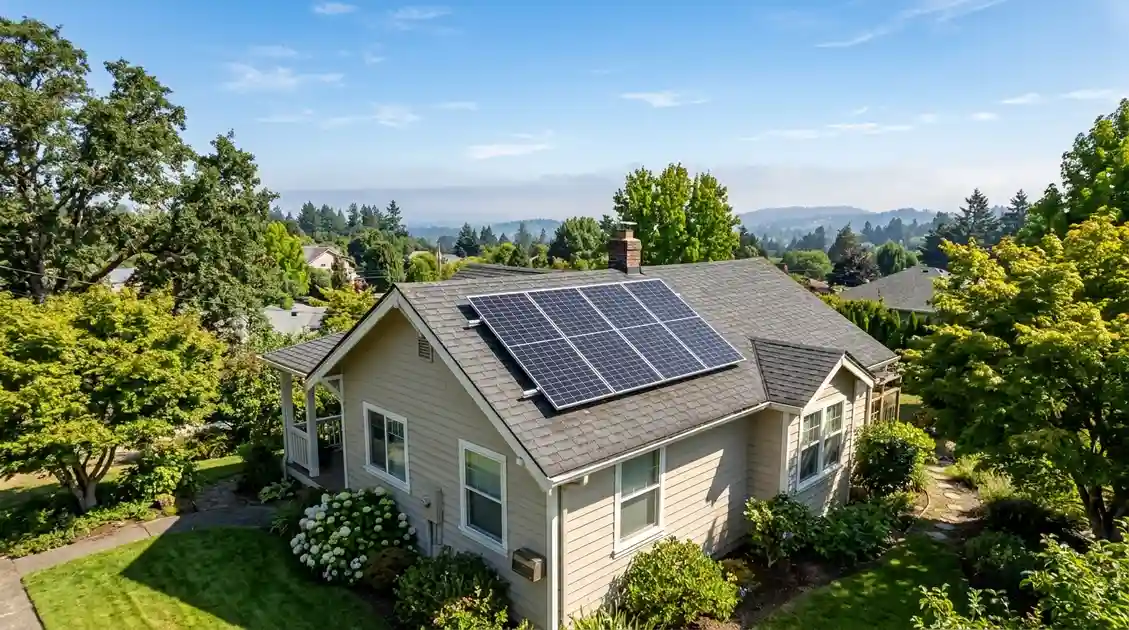
Short answer: A 400 watt solar panel can typically produce about 1.5–2 kWh of electricity per day in an average U.S. location. Very sunny locations may produce around 2–3 kWh, while cloudy conditions can reduce output to roughly 1–1.5 kWh.
Here is what daily energy output looks like across the country:
| Condition | Daily Output (kWh) |
|---|---|
| Sunny state (Arizona, Nevada, California) | 2 – 3 kWh |
| Average U.S. state | 1.5 – 2 kWh |
| Cloudy state (Washington, Ohio) | 1 – 1.5 kWh |
Think of it like a bucket catching rain. A 400W panel is a medium-size bucket. On a sunny day, it fills up fast. On a cloudy day, it only fills partway. The panel’s wattage tells you the size of the bucket, not how much rain actually falls.
Over a full year, one well-placed 400W panel typically produces about 440 to 550 kWh total. One easy way to picture the money side: a single 400W panel produces about $7 worth of electricity on an average sunny day. Over a year, that adds up, but you would need many panels working together to offset a full home electric bill — see our 2026 solar panel cost per watt guide for the full home-sized math. Not sure your panels are actually hitting these numbers? Our guide to checking if your solar panels are working walks through the warning signs.
How Many kWh Does a 400-Watt Solar Panel Produce?
A 400 watt solar panel typically produces about 1.5–2 kWh per day in an average U.S. location. In very sunny areas, output can reach around 2–3 kWh per day. Cloudy weather, shade, heat, panel angle, and system losses can reduce production to around 1–1.5 kWh.
| Sun conditions | Approx. daily output |
|---|---|
| Very sunny | 2–3 kWh |
| Average | 1.5–2 kWh |
| Cloudy | 1–1.5 kWh |
How Much Electricity Does a 400 Watt Solar Panel Produce Per Year?
A 400 watt solar panel can produce roughly 440–550 kWh of electricity per year when well positioned in a suitable U.S. location. Actual annual production depends on sunlight, weather, shading, temperature, orientation, tilt, and system losses.
3. What Can a 400-Watt Solar Panel Actually Run?
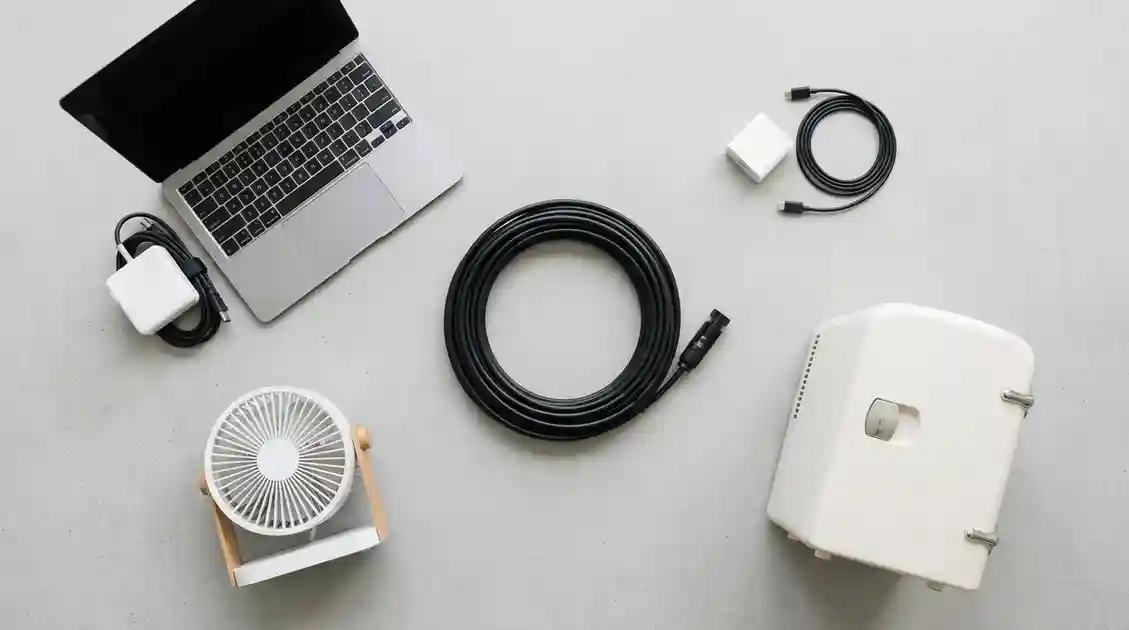
Short answer: A 400W panel comfortably runs small electronics (phones, laptops, TVs, fans) and one modest appliance at a time, like a mini fridge, but not a window AC unit without a battery and extra panels.
Here’s how a 400W panel’s typical output (300–340 real-world watts) stacks up against common devices, assuming full sun:
| Device | Typical Wattage | Can a 400W Panel Run It? |
|---|---|---|
| Phone charger | 5–20W | Yes, dozens at once |
| Laptop | 30–65W | Yes, several at once |
| LED TV (42″) | 60–100W | Yes, easily, all day |
| Box fan | 50–100W | Yes, easily |
| Mini fridge | 60–150W | Yes, on its own |
| Full-size fridge | 150–400W (with startup surge) | Yes, but uses most of the panel’s output |
| Microwave | 600–1200W | Only briefly, and only while the sun is strong |
| Window AC unit | 500–1400W | No, needs multiple panels plus a battery |
The takeaway: a single 400W panel is great for small electronics and one modest appliance at a time, but bigger appliances need either a battery bank to draw from or several panels working together.
Can a 400-Watt Solar Panel Run a Refrigerator?
Yes. A 400-watt solar panel can help power a refrigerator during strong sunlight, but refrigerator startup power can be higher than its normal running wattage. For reliable operation, an appropriately sized inverter and battery are usually needed.
Can a 400-Watt Solar Panel Run an Air Conditioner?
Usually not by itself. Most air conditioners require more power than a single 400-watt panel can provide, especially when the compressor starts. Multiple panels plus a suitable inverter and battery are normally needed.
Can a 400-Watt Solar Panel Run a TV?
Yes. A typical LED TV uses far less than 400 watts, so a 400-watt panel can provide enough power during strong sunlight, although an inverter or battery may be needed depending on the setup.
4. How Big Is a 400 Watt Solar Panel?
Short answer: A typical 400 watt solar panel measures about 75 x 45 inches (6.25 x 3.75 feet), covers 20–25 square feet, and weighs 40 to 50 pounds.
- Typical size: about 75 x 45 inches, or roughly 6.25 feet by 3.75 feet
- Square footage: about 20 to 25 square feet per panel
- Weight: 40 to 50 pounds
- Thickness: 1.2 to 1.4 inches, including the frame
| Measurement | Typical 400W panel |
|---|---|
| Length | ~75 inches |
| Width | ~45 inches |
| Area | ~20–25 sq. ft. |
| Weight | ~40–50 lb |
| Thickness | ~1.2–1.4 inches |
Most modern 400-watt panels use 108 half-cut cells or other cell configurations depending on the manufacturer and panel design. Exact cell count varies by model, so check the manufacturer’s specification sheet before buying mounting hardware. A panel that is even one inch too wide can throw off your whole layout.
How Much Roof Space Does a 400 Watt Solar Panel Need?
A typical 400 watt solar panel uses about 20–25 square feet of panel area. You also need additional space for mounting, roof setbacks, wiring, and access, so the total roof area required will be larger than the panel’s physical footprint.
5. What Is a 400-Watt Solar Panel Good For?
Short answer: A 400 watt solar panel suits small electronics, RVs, boats, off-grid cabins, and partial home backup — but a full home typically needs 15 to 25 of them working together, as covered in our home solar panels guide.
- Small electronics: TVs, laptops, phone chargers, gaming consoles, small fans
- RV and boat power: charging batteries while you travel or dock
- Off-grid cabins: running lights and a few outlets
- Partial home backup: paired with several more panels and a battery
- Bigger appliances (with limits): a microwave or small fridge can run on one panel, but only one at a time, and only while the sun is out
One 400W panel will not run your whole house. But a group of them, usually 15 to 25 panels, can offset most or all of a typical home’s electric use.
6. How Much Do 400-Watt Solar Panels Cost?
Short answer: A single 400-watt solar panel typically costs about $140–$560. Complete solar systems cost much more because they also include inverters, mounting equipment, electrical work, permits, and labor.
How Much Does a 400 Watt Solar Panel Cost?
A single 400 watt solar panel typically costs about $140–$560 depending on its brand, cell technology, efficiency, warranty, and where you buy it. Bulk purchases can reduce the price per watt.
| Buying Option | Typical Price |
|---|---|
| Single 400W panel | $140–$560 |
| 400W panel bought in bulk | Usually lower per watt |
| Complete home solar installation | Varies by system size, equipment, labor and location |
Is the 400 Watt Solar Panel Price the Same as Installation Cost?
No. The panel price is only one part of a solar installation. A complete system can also include an inverter, mounting hardware, wiring, electrical work, permits, labor, and other equipment.
A few things push the price up or down:
- Cell type: N-type and monocrystalline cost more than basic polycrystalline
- Efficiency: higher-efficiency panels (22%+) cost more per watt
- Buying in bulk: pallets of 30+ panels bring the per-watt price down a lot
- Labor and permits: installation can cost more than the panel itself in some regions
When you compare 400 watt solar panels for sale across different retailers, price gaps of $50 to $100 per panel are common, mostly driven by cell type (monocrystalline vs. polycrystalline), brand warranty length, and whether you’re buying a single panel or a bulk pallet.
Still weighing whether solar makes financial sense for your home at all? Our guide on whether solar panels are worth it breaks down payback periods and savings. And once you’re ready to move forward, our directory of solar installers near you can help you get local quotes.
7. How Many Batteries Do I Need for 400 Watts of Solar?
Short answer: A 400-watt solar panel can commonly be paired with a 100Ah or 200Ah LiFePO4 battery bank in small RV and off-grid systems, but the correct battery size depends on daily energy use, battery voltage, and how much backup power you need.
What Battery Size Works With a 400 Watt Solar Panel?
A 400 watt solar panel can commonly be paired with a 100Ah or 200Ah LiFePO4 battery bank in a small RV or off-grid system. The correct battery size depends on your battery voltage, daily energy use, inverter efficiency, and how long you need backup power.
Here is a simple way to think about it. A 400W panel making 1.5 to 2 kWh a day can refill:
- One 100Ah 12V lithium (LiFePO4) battery in about 1 to 1.5 sunny days
- Two 100Ah 12V batteries in about 2 to 3 sunny days
A basic rule: match your battery bank size to how many days you want to run without sun, known as “days of autonomy.” Most small off-grid or RV setups pair one 400 watt solar panel with one or two 100Ah lithium batteries and a charge controller sized for the panel’s voltage and current.
Also match your panel’s voltage to your system. A 12V panel setup is common for small builds, but larger panels (500W and up) often run at higher voltages and need an MPPT charge controller instead of a basic PWM one.
8. How Many 400W Panels Do I Need for My Whole House?
Short answer: Most U.S. homes need 15 to 25 panels of this size, based on average yearly electricity use of about 10,600 kWh and typical sun hours.
The number of 400W panels a home needs depends on annual electricity use, local sunlight, roof orientation, shading, and system losses.
A simple estimate is:
Panels needed ≈ Annual electricity use ÷ Annual energy produced by one 400W panel
Example: If one 400W panel produces about 500 kWh per year and a home uses 10,600 kWh annually, the rough calculation is 10,600 ÷ 500 = 21.2, so about 22 panels would be needed before considering detailed system design factors. Homes in cloudier regions, or with higher electricity use, often land closer to 20 to 25 panels. Rather than running the math by hand, our solar panel calculator can work out the panel count for your specific address and usage.
| System Size | 400W Panels Needed |
|---|---|
| 4 kW | 10 panels |
| 6 kW | 15 panels |
| 8 kW | 20 panels |
| 10 kW | 25 panels |
| 12 kW | 30 panels |
These are simple nameplate calculations. Actual system design may use a different panel count based on the home’s electricity use, available roof space, local sunlight, shading, and the exact panel model.
9. Wattage Comparison: 320W to 1500W Solar Panels
Short answer: Panel sizes from 320W to 800W scale up gradually in size, output, and price; “1000W” and “1500W” panels almost always refer to multi-panel kits, not a single unit.
Not sure if 400W is the right size for you? Here is how it stacks up against other common sizes, including the 500 watt solar panel, 330 watt solar panel, 320 watt solar panel, 325 watt solar panel, 360 watt solar panel, 550 watt solar panel, 700 watt solar panel, 600w solar panel, 800w solar panel, 1000 watt solar panel, and 1500 watt solar panel. If you need something smaller and more portable than the sizes below, our small solar panels guide covers panels under 200W in more depth.
| Panel Size | Typical Use | Approx. Size | Daily Output (avg. sun) | Price Range (single panel) |
|---|---|---|---|---|
| 320 watt solar panel | Small cabins, RVs | ~65 x 39 in | 1.0 – 1.4 kWh | $100 – $220 |
| 325 watt solar panel | Small cabins, RVs | ~65 x 39 in | 1.0 – 1.4 kWh | $105 – $230 |
| 330 watt solar panel | RVs, boats, sheds | ~66 x 39 in | 1.1 – 1.5 kWh | $110 – $240 |
| 360 watt solar panel | RVs, small homes | ~70 x 39 in | 1.2 – 1.6 kWh | $120 – $260 |
| 400 watt solar panel | Homes, RVs, cabins | ~75 x 45 in | 1.5 – 2 kWh | $140 – $560 |
| 500 watt solar panel | Homes, ground mounts | ~82 x 45 in | 1.8 – 2.6 kWh | $170 – $500 |
| 550 watt solar panel | Home & commercial roofs | ~90 x 45 in | 2 – 2.8 kWh | $180 – $520 |
| 600w solar panel | Commercial, ground mount | ~93 x 46 in | 2.2 – 3 kWh | $190 – $560 |
| 700 watt solar panel | Large ground mounts, farms | ~97 x 50 in | 2.5 – 3.5 kWh | $220 – $650 |
| 800w solar panel | Commercial arrays | ~100 x 52 in | 2.8 – 4 kWh | $250 – $750 |
| 1000 watt solar panel | Utility, large off-grid | Not a single panel — see note below | 3.5 – 5 kWh | Varies (see note) |
| 1500 watt solar panel | Utility, industrial | Not a single panel — see note below | 5 – 7.5 kWh | Varies (see note) |
Is a 400W Solar Panel Better Than a 500W Panel?
Not necessarily. A 500W solar panel produces more power per panel, but a 400W solar panel can be a better choice when roof space, panel dimensions, price, or system design favor smaller modules. Compare efficiency, physical size, price per watt, warranty, and available roof space rather than choosing based on wattage alone.
10. Real Panel Spotlight: HQST, Hyperion, JA Solar, SEG Solar & EcoFlow
Short answer: HQST and JA Solar target DIY and rooftop buyers, Hyperion and SEG Solar compete on value and domestic content, and EcoFlow makes a foldable, portable 400W panel built for power stations, not roofs.
Some searches are about specific products, not just wattage sizes. Here is what the research shows about five commonly searched panels and kits.
HQST 400 Watt 12Volt Polycrystalline Solar Panel
The HQST 400 watt 12V polycrystalline solar panel is not actually one big panel; it is a kit of four 100-watt polycrystalline panels wired together to total 400 watts at 12V. This matters because it changes how you mount and wire it.
- Cells: 64 polycrystalline cells per 100W panel
- Frame: corrosion-resistant aluminum, rated for 5,400 Pa snow load and 2,400 Pa wind load
- Kit extras: often bundled with a 30A or 40A charge controller, mounting brackets, and cables
- Best for: RVs, boats, sheds, and simple off-grid setups where you want an easy plug-and-play system
- Downside: polycrystalline cells are less efficient than monocrystalline, so you need more roof space for the same power output
Hyperion by Runergy 400W Bifacial Solar Panel
Looking into Hyperion by Runergy 400W bifacial solar panel reviews, a clear pattern shows up: these panels are a solid budget-to-mid-tier bifacial option, not a premium, top-shelf panel.
- Efficiency: about 20.5%, decent but below the newest premium panels (22%+)
- Bifacial gain: panels can produce extra power off the back side, with some installers reporting output above the 400W rating in strong reflective conditions, though results vary a lot by mounting setup
- Price: often found in the $0.22–$0.35 per watt range when bought by the pallet, notably cheaper than premium brands
- Warranty: typically 15-year product and 30-year power warranty
- User feedback: owners generally report the panels hit their rated output reliably, though a few report lower numbers depending on tilt angle and temperature
Honest downside: Runergy does not have the brand history of Tier 1 makers like Canadian Solar or Q Cells, so long-term data is thinner.
JA 440W Solar Panels
The JA 440W solar panel line includes several versions (PERC, TOPCon, N-type), but they generally share these traits:
- Efficiency: 21.5% to 22.8%, depending on the exact model
- Cell design: 108 half-cut cells, often bifacial with black-on-black framing
- Durability: rated for 5,400 Pa snow load and 2,400 Pa wind load, IP68 junction box
- Warranty: 25-year product warranty is common across the JA Solar lineup
- Best for: homeowners who want a name-brand, Tier 1 panel with strong efficiency and don’t mind paying a bit more
SEG Solar 400 Watt Solar Panels
SEG Solar assembles panels at a Texas manufacturing facility, which is the main reason its name comes up in 2026 searches: it lets installers running U.S. domestic-content programs use SEG Solar’s 400W-class modules to help a system qualify for the bonus discussed in our solar cost per watt guide.
- Efficiency: roughly 20–21%, in line with other mainstream monocrystalline panels
- Warranty: standard 25-year product and performance warranty
- Best for: homeowners specifically chasing U.S. domestic-content tax credit eligibility on a lease or PPA
- Downside: less global brand history than Tier 1 names like Jinko or Canadian Solar, so ask your installer directly about local supply and lead times
EcoFlow 400W Portable Solar Panel

The EcoFlow 400 watt solar panel is a completely different format from every other panel in this section — it’s a foldable, rigid-mono portable panel built to pair with EcoFlow’s power stations, not a rack-mounted rooftop panel.
- Format: folds into a briefcase-style panel with a built-in kickstand and MC4 connectors
- Weight: far lighter than a rigid rooftop panel of the same wattage, since there’s no aluminum roof-mount frame
- Efficiency: rated around 21–23%
- Pairs with: EcoFlow DELTA and RIVER power stations, plugging in directly rather than through a separate charge controller
- Best for: campers, van-lifers, and backup-power buyers searching for a 400 watt portable solar panel or a 400 watt solar panel kit for a portable generator, since EcoFlow markets it as a direct add-on to its power station (“solar generator”) lineup rather than a standalone rooftop kit component
Who Should Buy a 400 Watt Solar Panel?
A 400 watt solar panel is a good fit for homeowners who want a modern residential panel size, RV owners with enough roof space, small off-grid cabins, boats, and backup-power systems. It is especially useful when you want a balance between panel output, physical size, and installation cost.
11. Can I Use 435W Solar Panels on My RV?
Short answer: Yes, but a 435W panel is large-format and built first for rooftops, so check your RV’s flat roof space and controller limits before mounting one; see our RV solar panels guide for RV-specific sizing.
A 435W panel is a large-format module, usually built first for home or commercial roofs, not RVs. Before you bolt one down, check these:
- Size: most 435W panels measure about 67.8 x 44.6 inches, bigger than typical RV-specific panels, so roof vents, AC units, and antennas can get in the way
- Weight: usually 44–50 lbs per panel, which is fine structurally for most RV roofs but still worth checking against your roof’s rating
- Electrical specs: 435W panels often run around 39–42V open-circuit voltage and 11–14A short-circuit current, high enough that some smaller charge controllers can’t handle them safely
- Best fit: Class A motorhomes, large trailers, or bus conversions with wide, open, flat roofs
If your RV roof is small or crowded with vents, two or three smaller portable solar panels usually work better than trying to fit one oversized 435W panel around obstacles.
400 Watt Solar Panel Kit for RV
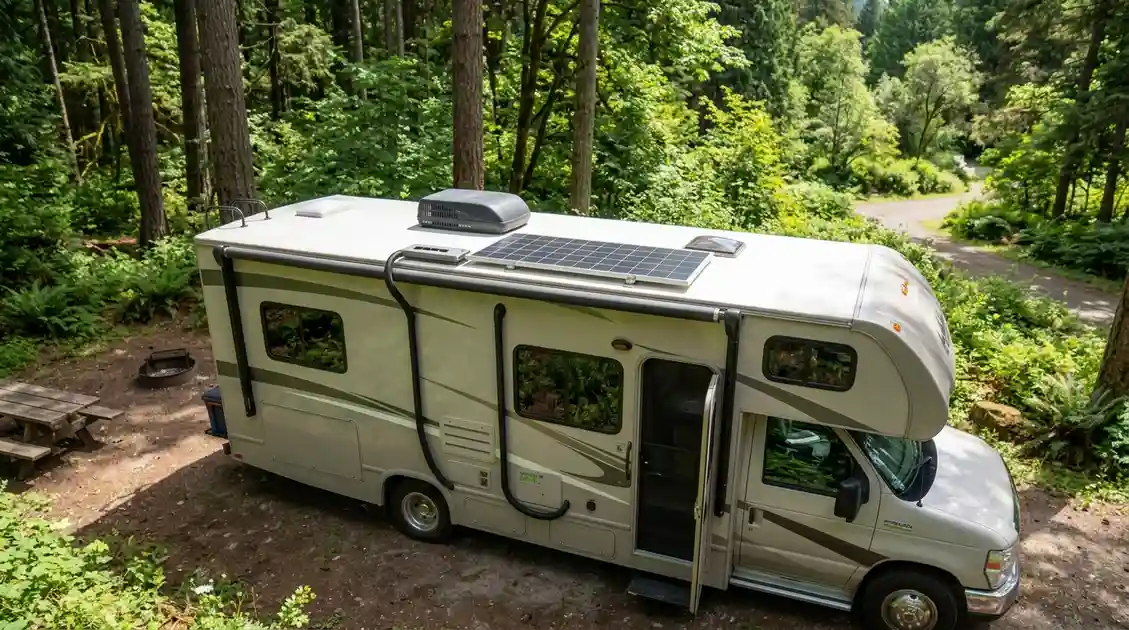
A 400 watt solar panel kit for RV is usually the simpler, more RV-friendly option compared to a single large panel. See our full solar panel kit guide for how these bundles are put together. These kits typically include:
- One or more panels totaling 400W, commonly sold as a single 400W monocrystalline panel or a 4x100W bundle
- A charge controller (PWM or MPPT)
- Mounting brackets built for RV roofs
- Cabling and connectors
A 400W RV kit is a popular middle-ground size: enough to run lights, charge phones, run a fan, and keep a battery bank topped up, without needing the extra planning that a 435W+ panel requires.
12. Does a Higher-Wattage Solar Panel Always Produce More Electricity?
Short answer: A higher wattage number doesn’t always mean more real-world power — real output runs 15% to 25% below the rated sticker number because of heat, shade, dust, and angle.
A cheaper 400W panel installed at the right angle, in full sun, with good airflow behind it can outperform a poorly installed 500W panel in the shade. Wattage is a starting point, not a guarantee.
13. Sizing and Installation Tips
Short answer: Match voltage to your battery bank, leave an air gap behind the panel, angle it toward the sun, and size your charge controller to the panel’s Voc and Isc ratings.
- Match voltage, not just wattage. A 12V panel won’t safely charge a 24V or 48V battery bank without the right charge controller.
- Leave a gap behind the panel. Panels lose efficiency as they heat up. A small air gap under the frame helps keep output steady.
- Angle matters more than most people think. Tilting panels toward the sun’s angle for your latitude can add 10% to 20% more output per day.
- Don’t oversize your charge controller, or undersize it. Check the panel’s Voc (open-circuit voltage) and Isc (short-circuit current) against your controller’s rated limits before wiring anything. Our solar panel mounting hardware guide covers racking and controller-compatible hardware in more detail.
- Plan for shade. Even partial shade on one cell can drop a whole panel’s output significantly, especially on older panel designs without half-cut cells.
- Keep up with upkeep. A well-installed panel still needs periodic attention; our solar panel maintenance guide covers the basics of keeping output steady year after year.
What Should You Check Before Buying a 400 Watt Solar Panel?
- Panel dimensions and available mounting space
- Rated power and efficiency
- Voc and Isc electrical ratings
- Temperature coefficient
- Product and performance warranties
- Panel weight and mounting requirements
- Price per watt
- Compatibility with your inverter or charge controller
Can I Install a 400-Watt Solar Panel Myself?
Yes, a 400-watt panel can be used in a DIY solar setup, especially for RVs, cabins, and small off-grid systems. However, electrical connections, roof mounting, permits, and grid-connected installations may require professional work depending on the system and local requirements.
14. Frequently Asked Questions
How much power will a 400-watt solar panel produce?
About 1.2 to 3 kWh per day, depending on your location, weather, and panel angle. Sunnier states land near the top of that range, and real-world output usually comes in 15% to 25% below the panel’s rated 400 watts.
What can a 400-watt solar panel run?
A 400W panel can run small electronics like a TV, laptop, phone charger, and fan, or take turns running one larger appliance like a small fridge or microwave while the sun is out. It cannot run a whole house by itself.
How much do 400-watt solar panels cost?
A single panel runs $140 to $560. A full home installation using 400W panels typically costs $0.80 to $1.40 per watt before labor, or more once installation and equipment are included.
How many batteries do I need for 400 watts of solar?
Most small setups pair one 400 watt solar panel with one or two 100Ah lithium (LiFePO4) batteries, refilled in about 1 to 3 sunny days depending on usage.
How many 400 watt solar panels do I need to power a house?
Most U.S. homes need 15 to 25 panels of this size, based on average yearly electricity use of about 10,600 kWh and typical sun hours. The exact number depends on your usage and location.
How big is a 400 watt solar panel?
A typical 400 watt solar panel measures about 6.25 feet by 3.75 feet, weighs 40 to 50 pounds, and contains 60 to 108 solar cells depending on the cell design.
How Much Power Does a 400 Watt Solar Panel Produce in Winter?
A 400 watt solar panel can produce less electricity in winter because of shorter daylight hours, lower sun angles, snow cover, and cloudier weather. Actual winter production varies widely by location and weather conditions.
How Much Does a 400-Watt Solar Panel Weigh?
A typical 400-watt solar panel weighs about 40–50 pounds, although the exact weight varies by manufacturer, frame and panel design.
How Many 400-Watt Solar Panels Do I Need?
Most U.S. homes need roughly 15–25 400-watt panels, but the exact number depends on annual electricity use, local sunlight, shading, roof orientation and system losses.
Can a 400-Watt Solar Panel Run a Refrigerator?
Yes, but refrigerator startup power can be higher than its normal running wattage. A suitable inverter and battery can make operation more reliable when sunlight changes.
How Many Amps Does a 400-Watt Solar Panel Produce?
A 400-watt panel’s current depends on its operating voltage. For example, at 40 volts, 400 watts equals about 10 amps. Check the panel’s specification sheet for its actual operating current.
What Is the Voltage of a 400-Watt Solar Panel?
The voltage of a 400-watt solar panel varies by model. Many residential panels operate at roughly 30–40 volts under load, with a higher open-circuit voltage. Always check the manufacturer’s specifications before connecting the panel.
What Is the Best 400 Watt Solar Panel?
The best 400 watt solar panel depends on your budget, available space, efficiency needs, warranty, and system type. Compare the exact panel model rather than choosing only by wattage or brand name.
How Many 400 Watt Solar Panels Do I Need for 5 kW?
You need about 13 400 watt solar panels to reach 5.2 kW of nameplate capacity. Because 5 kW cannot be divided evenly by 400W, the exact panel count depends on the target system size and installer design.
Can I Connect Multiple 400 Watt Solar Panels Together?
Yes. Multiple 400 watt solar panels can be connected in series or parallel depending on the system voltage, inverter or charge controller limits, wiring, and panel specifications. The final configuration should stay within the equipment’s voltage and current ratings.
Bottom Line
A 400 watt solar panel is a practical middle-ground choice for many U.S. homes, RVs, cabins, and off-grid systems. A typical panel produces around 1.5–2 kWh per day in average conditions, measures roughly 6.25 × 3.75 feet, weighs about 40–50 pounds, and costs around $140–$560 for the panel alone. For a whole-home system, most households need multiple panels rather than a single 400W module.
If you have limited roof space, compare the panel’s efficiency and physical dimensions as well as its wattage. And if you’re considering 500W–800W modules, compare total system design and roof layout rather than assuming the highest wattage is automatically better.